
Why is crate training your bernedoodle puppy so important?

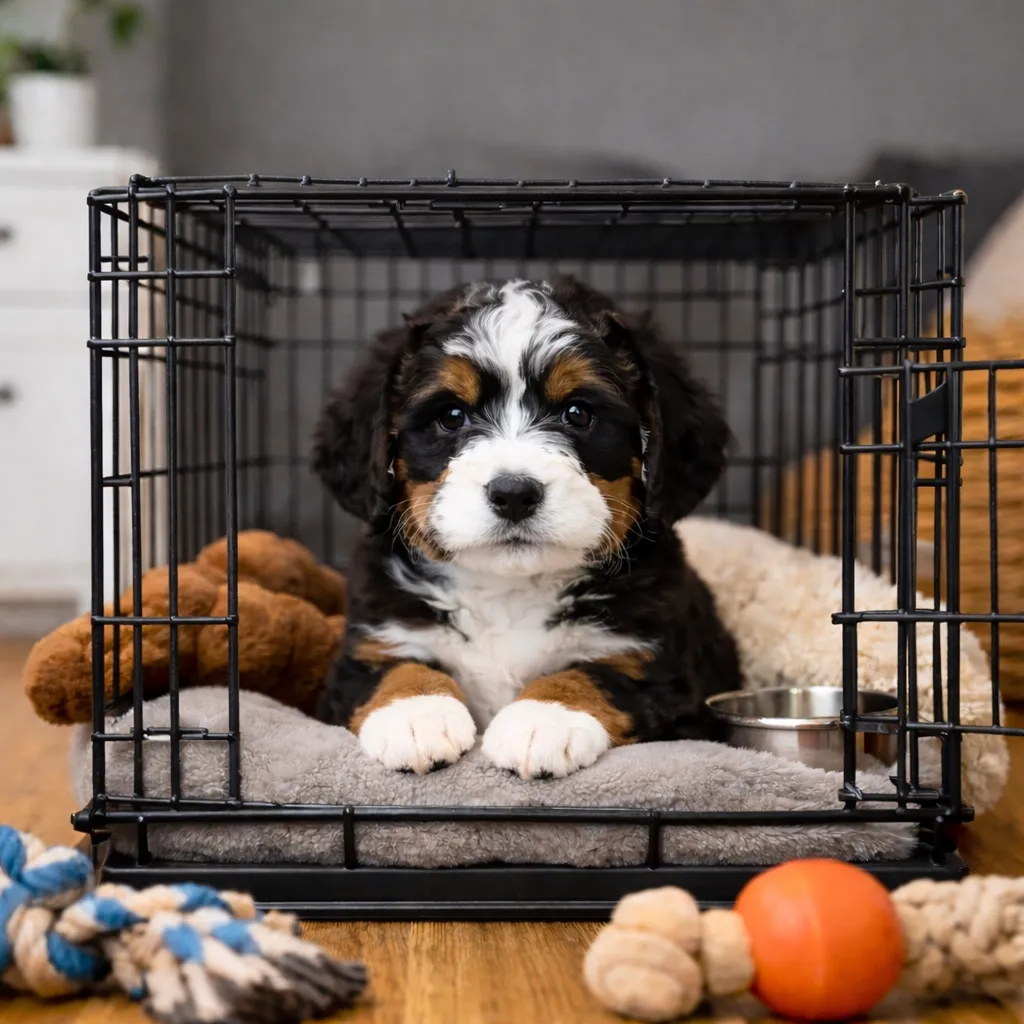
Here at Walnut Valley Puppies, we've had the joy of watching hundreds of our puppies grow into confident, well-adjusted dogs. Through these years, one of the big things that we keep recommending is that you crate train your puppy. We understand that this topic brings up questions and, honestly a bit of anxiety for some new puppy parents.
After recommending crate training for such a long time, I decided it’s time to write a blog and make sure that our families have some good solid information about the matter! 😁
Understanding Crate Training and What It Really Means
Crate training is the process of teaching your puppy that their crate is a wonderful place to be—a personal sanctuary where they can retreat, rest, and feel completely safe.
I often tell people to think of what it’s like for dogs in the wild. They naturally seek out small, enclosed spaces to sleep. This den-like area provides protection and a sense of security. A properly introduced crate taps into this deep instinct and gives your puppy something they really need—a predictable, quiet environment where the overwhelming world can fade away, even if it's just for a nap.
I've repeatedly been amazed at how much security and comfort a crate brings to a puppy.
Why We Believe Crate Training Is Essential
After years of working with puppies and staying in touch with our families, we've seen how beneficial proper crate training can be. It's about setting your puppy up for a lifetime of confidence, good habits, and emotional wellbeing.
Here are a few reasons we believe crate training is so important….
It Makes House Training Easier and Faster
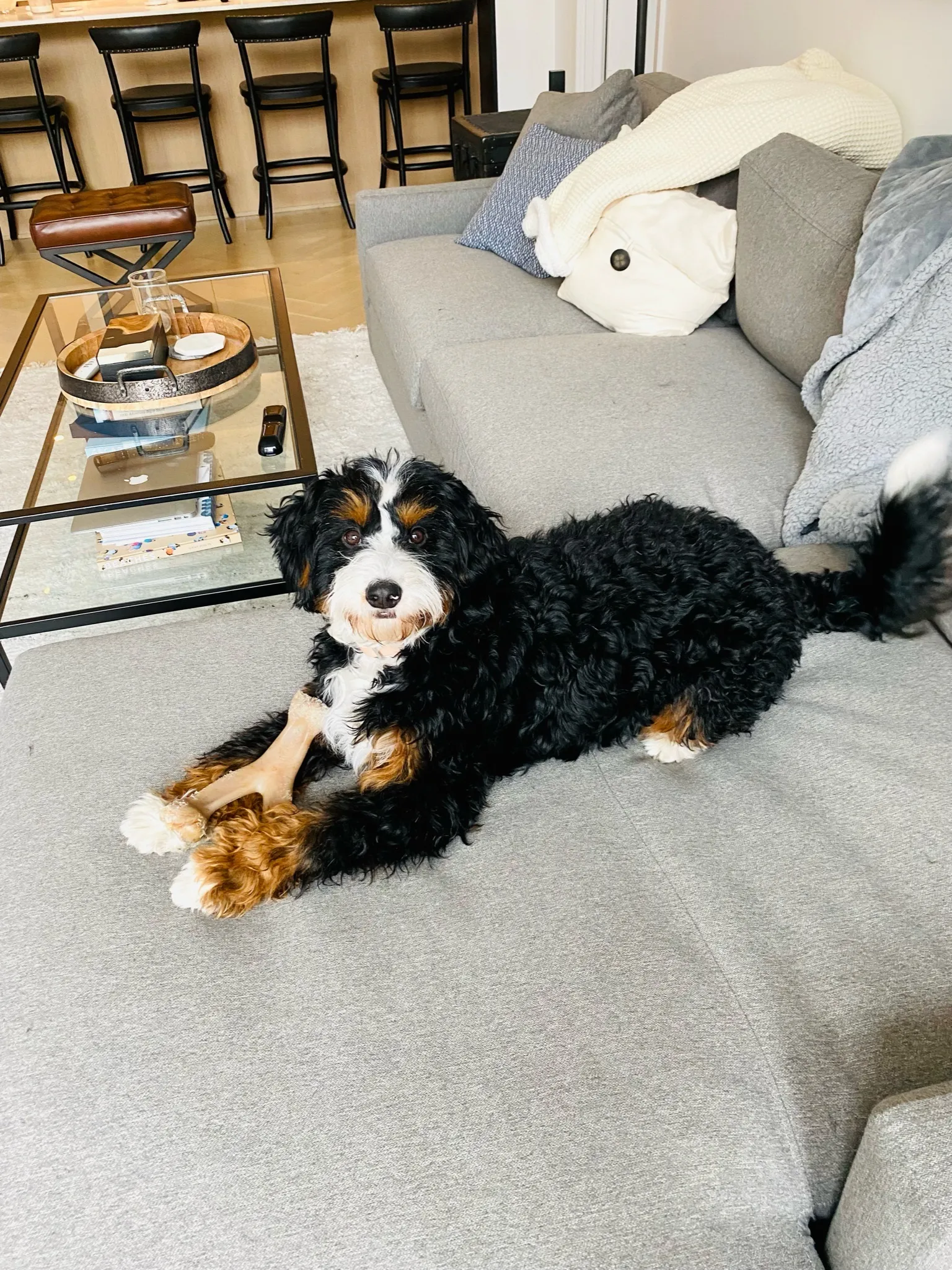
Puppies naturally want to keep their sleeping area clean. A properly sized crate works with this instinct to help your puppy develop bladder and bowel control. Without a crate, puppies are more likely to wander around the house and have accidents in hidden corners. (Not so fun for mama and the rest of the cleaning crew. 😬) Puppies that are in their crate overnight will be much less likely to have accidents while you are getting your “much needed” sleep. I so much agree with what AKC says about it, "Crates rank high as a potty training tool."
We've seen lots of puppies become reliably house trained in just a few weeks. Consistent crate training is often a key ingredient in this. As I often say, “It will be so much easier to potty train your puppy if you crate train your puppy!”
By the way, while you're reading up on how to prepare for your puppy, be sure to read our potty training blog.
It Keeps Your Puppy Safe
Unfortunately you can't watch your puppy every single second. You need to shower, cook dinner, answer work calls, and sleep at night. During these times, puppies can get into serious trouble. The crate gives you peace of mind when you're leaving the house, jumping into the shower, or sleeping through the night. No chewed wires, no swallowed toys, no frightening trips to the emergency vet, and no more…well, you fill in the blanks!
It Teaches Your Puppy to Be Okay on Their Own
Additionally, crate training your puppy teaches them how to be okay with being alone. This is huge. We are often asked how long a puppy or dog can be left alone. I always say that it is totally fine for someone’s dog to have alone time. It’s important to understand that spending time alone is not only acceptable, but also normal, healthy, and safe for dogs!
Crate training, when done right, teaches your puppy how to self-soothe. They learn that quiet time alone isn't scary. It's actually quite nice. This skill prevents so many behavioral issues down the road, including separation anxiety, excessive barking, and destructive behavior triggered by stress.
It Creates Structure and Routine
Puppies thrive on predictability. A crate becomes the anchor point for your puppy's daily schedule. Bedtime, nap time, potty breaks, and mealtimes can all flow with the crate. This structure builds confidence and actually reduces stress. Your puppy learns to anticipate what's coming next, which feels secure and manageable.
Choosing the Right Crate
When picking out a crate for you new family member, remember, size matters. Your puppy's crate should be large enough for them to stand up, turn around, and lie down fully stretched. However, it shouldn't be so large that your puppy can sleep on one end and go potty on the other. (Puppies naturally do not want to potty in their sleeping area, so you want the crate to be only sleeping area size)
For growing puppies, you might want to get a crate with a divider panel. This lets you adjust the usable space as your puppy grows. You can buy a crate that fits their adult size, then use the divider to give them just the right amount of room for their current puppy size.
Wire vs. Plastic Crates
Wire crates provide excellent ventilation and visibility, which works well for home use. They fold flat for storage and you can drape a blanket over part of it to create a den-like feel. We have found that when a blanket is draped over the crate most puppies will settle down much quicker. This is true for traveling and in your home.
Plastic crates are more enclosed and cozy, and they're the gold standard for travel. Either choice is perfectly fine—choose what fits your lifestyle.
How to Introduce the Crate the Right Way
Our puppies are started with crate training at a young age. By the time they go to their new homes, they will have spent quite a few hours in a crate. This will likely make your experience with crate training a lot easier, but there are still things that, if done right, can make crate training much easier.
Place your puppy's crate in a quiet but social area—not isolated, but not in the middle of chaos. Add a comfortable mat or blanket, a safe chew toy, and consider a cover to put over part of the crate (I always think of the natural desire dogs have for a den). Leave the door open and let your puppy discover the crate on their own terms.
Make the crate the best place in the house:
- Toss treats inside regularly. Your puppy will wander in to get them and associate the crate with good things.
- Feed meals in or near the crate. Food is life to a puppy, so this connection is powerful.
- Praise calmly whenever they enter. Warm, genuine praise in a soothing tone.
- Ideally let your puppy choose the crate willingly rather than forcing him in.
- Start with short sessions. Once your puppy happily enters the crate on their own, begin closing the door for brief periods.
Nighttime Crate Training
For the first several nights (or even weeks), you might want to place the crate in your bedroom, right next to your bed. Your puppy just left their littermates, and having you nearby provides comfort. Lots of people find this helpful, but it’s not always the case. It's possible your puppy might not settle down if you're close by because they are insistent on being with you. We've seen times when it worked better to keep the crate away from people and in their normal daytime area at night. A bit of experimenting will quickly show you what will work best!
Be sure to take your puppy outside for a final potty break right before bedtime. Let them fully empty their bladder (wait for it if you have to!) After they went potty, quietly place them in the crate and say goodnight calmly. Turn off the lights, settle in, and… HOPE for the best! 😅
Understanding Nighttime Whining
Some whining is completely normal—a bit of protest whimpering that typically stops on its own. They just got taken away from everything they know so of course they'll cry a little!
However, if your puppy is panicking, or has been sleeping quietly and suddenly wakes up whining, they likely need to go outside. Take them out immediately with no talking, no playing, and no excitement. Straight outside, wait for them to potty, quiet praise, then take them straight back to the crate.
Young puppies under 12-14 weeks usually cannot hold their bladder all night. As your puppy grows, these nighttime interruptions will naturally decrease. Most puppies can sleep through the night by 4-5 months old.
BAXTER & Bella has some great thoughts on this subject. And while we're talking about them anyway, find out about our partnership with them and what they do here.
Daytime Crate Training
Young puppies need lots of sleep every day! When puppies get overtired, they tend to become mouthy, hyper, and just more difficult. The crate is your secret weapon for enforcing naps! A suggested guideline for young puppies is after about an hour of being awake, your puppy should go into the crate for a nap—usually 1.5 to 2 hours. (This is a suggestion, not a set in stone rule! Your experience with your puppy might be very different)
Remember: Puppies can generally hold their bladder for approximately one hour for every month of age, plus one. So a 2-month-old puppy can hold it for about 3 hours. Be careful to not exceed your puppy's physical limits.
Common Mistakes to Avoid
Never Use the Crate as Punishment. This is the fastest way to create a dog who fears their crate. The crate needs to remain a positive, neutral space.
Be Consistent! If your puppy sleeps in the crate one night but in your bed the next, they never fully understand the routine. Stick with your plan for at least the first few months.
You also don't want to give too much freedom too soon. Doing this before they're truly ready almost always leads to setbacks. Freedom is earned gradually over several months, not weeks.
The Long-Term Benefits
The work you put in now will be rewarded for your dog's entire life:
- Vet and grooming visits become less stressful—dogs comfortable in crates handle confinement with far less anxiety.
- Travel is easier—whether driving or flying, your dog has their familiar "home" with them.
- Boarding becomes manageable—crate-trained dogs adapt to boarding facilities much more easily.
- Recovery from injury or surgery is safer—your dog can rest calmly during healing.
- Daily household harmony—crate-trained dogs tend to be calmer, better behaved, and easier to manage.
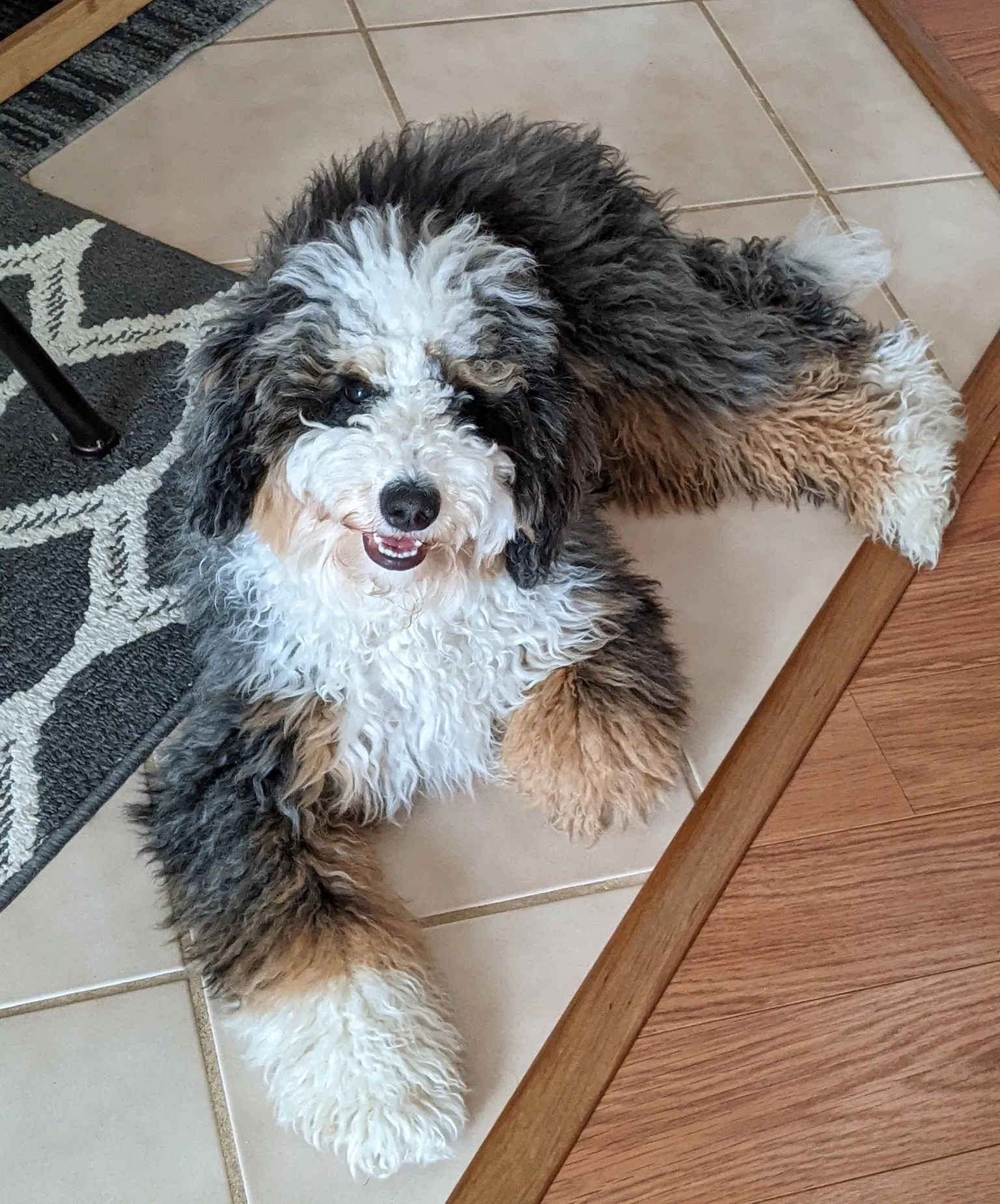
Trust me, you really are doing your dog and yourself a great favor in so many ways by immediately starting with crate training and consistently following through in the months and years ahead.
When Can You Phase Out the Crate?
There's no universal timeline and many dogs happily use their crate voluntarily throughout their lives. Your dog might be ready for more freedom when they're completely reliable with house training, don't chew destructively, and can settle calmly on their own, but don't feel pressure to retire the crate. If your dog loves it, let them keep it!!
Frequently Asked Questions
How long does crate training take?
Most puppies begin feeling comfortable in their crate within a few days or weeks of consistent training. Full reliability sometimes takes months. Just like you and me, every puppy is different!
Is crate training cruel?
When done correctly, absolutely not. You're providing safety, structure, and teaching them skills that will help them their entire life. Crate training is an act of love, not punishment!
My puppy cries in the crate. What should I do?
Brief whimpering that stops within minutes is normal adjustment. Prolonged, frantic crying could mean something's wrong—check if they need to potty or maybe you moved too fast with the introduction.
Should I put toys and blankets in the crate?
Yes! A soft mat or blanket and one or two safe chew toys make the crate comfortable and inviting. Stick with durable options that can't be destroyed or you will be running to the toy store all the time.
Our Final Thoughts
We can say with absolute confidence that crate training is one of the most valuable foundations you can give your new puppy. It's not always easy in those first few weeks but it’s so worth it.
Stick with it. Be patient, be consistent, be gentle, and trust the process. What you're building isn't just a behavior—you're giving your puppy life skills that will serve them forever. You're teaching them confidence, independence, and self-regulation. You're keeping them safe and setting up a household routine that will bring peace to everyone.
Don’t think of the crate as a small jail, but as a gift. A safe, cozy den where your puppy can escape the overwhelming world and just rest. That's pretty special in my way of thinking!
We're honored that you've chosen Walnut Valley Puppies, and we're here for you every step of this journey. If you ever have questions, concerns, or just need some encouragement, please reach out. Your puppy is going to grow into an amazing dog, and the work you're putting in now will pay off in ways you can't even imagine yet!
Check out our available puppies or reach out to join our reservation list. We'd love to talk with you about what you're looking for and how we can help!